
Aspen’s Most Romantic Restaurants for a Special Night Out

When it comes to planning a romantic night out with your significant other, the setting is just as important as the company. And, Aspen, Colorado offers plenty of options for couples looking for a special dining experience. From cozy intimate spots to fine dining with breathtaking mountain views, Aspen’s romantic restaurants are sure to impress. Here are some of Aspen’s top romantic restaurants for a night to remember:

  1. Element 47: This award-winning restaurant is located inside The Little Nell hotel, at the base of Aspen Mountain and offers a fine-dining experience with unparalleled views of the surrounding mountains. The menu features contemporary American cuisine with a focus on locally-sourced ingredients and an extensive wine list. The intimate and elegant atmosphere is the perfect setting for a special occasion.
  2. White House Tavern: This cozy, intimate restaurant located in the heart of Aspen’s main street, offers a rustic atmosphere and delicious farm-to-table cuisine. The warm and inviting atmosphere with exposed brick walls and dim lighting creates the perfect ambiance for a romantic evening.
  3. Matsuhisa: This acclaimed sushi restaurant, owned by chef Nobu Matsuhisa, offers a sophisticated and intimate dining experience. The menu features a blend of traditional Japanese and Peruvian flavors, and the sleek and modern decor adds to the romantic atmosphere.
  4. The Wild Fig: This Mediterranean-inspired restaurant offers a warm and romantic atmosphere, with a menu featuring locally-sourced ingredients and a focus on healthy and flavorful dishes. The outdoor seating area, complete with twinkling lights and a fireplace, is the perfect spot for a romantic al fresco dining experience.

When planning a special night out in Aspen, these romantic restaurants are sure to impress. Whether you’re looking for a fine-dining experience with breathtaking views or a cozy spot for a intimate meal, Aspen has something for every couple. So, make a reservation today and enjoy a night of delicious food, great company, and a romantic atmosphere.

10 Romantic Things to Do in Aspen for a Perfect Couple’s Getaway

Aspen, Colorado is a popular destination for couples looking to escape the hustle and bustle of everyday life and enjoy some quality time together. With its stunning natural beauty, world-class dining, and endless activities, Aspen is the perfect place to plan a romantic getaway. Here are 10 romantic things to do in Aspen that will make your trip unforgettable:

  1. Take a scenic gondola ride up Aspen Mountain. Enjoy the stunning views and snuggle up with your loved one on the way up.
  2. Head out on a romantic hike. Aspen offers a variety of hiking trails, from easy strolls to challenging climbs. Find a trail that suits your skill level and enjoy the beauty of the Rocky Mountains together.
  3. Indulge in a couples spa treatment. Aspen is home to many world-class spas where you can relax and rejuvenate together.
  4. Enjoy a romantic dinner at one of Aspen’s fine dining restaurants. The town has many options for fine dining, but some standouts include The Little Nell, and The White House Tavern.
  5. Explore the Maroon Bells, a beautiful mountain range located just outside of Aspen. The Maroon Bells are a must-see for any couple visiting Aspen.
  6. Take a hot air balloon ride over the mountains. Enjoy the stunning views and the peacefulness of the experience together.
  7. Go shopping on Aspen’s charming main street. Browse the many shops and boutiques and find the perfect souvenir to remind you of your trip.
  8. Attend a concert or show at the Aspen Music Festival. This is one of the most renowned classical music festivals in the United States and a must-see for any music lover.
  9. Take a trip to the Aspen Art Museum. The museum features contemporary art and is a great place to spend an afternoon.
  10. Have a picnic in the park. Pack a romantic picnic and head to one of Aspen’s many parks to enjoy the beautiful surroundings and each other’s company.

As you can see, there are many romantic things to do in Aspen. Whether you’re looking for outdoor adventures or relaxation, Aspen has something for every couple. So, plan your trip today and make memories that will last a lifetime.

Riding the Skies: The Fascinating History of Mountain Gondolas and Their Presence in Aspen

Mountain gondolas, also known as aerial trams or cable cars, have been transporting skiers and hikers to the tops of mountains for over a century. These incredible feats of engineering have not only revolutionized the way we experience the great outdoors, but they also have a rich and fascinating history.

The first mountain gondola was built in the Dolomites of Italy in the early 1900s. It was a simple and crude contraption, consisting of a wooden box that was pulled up the mountain by a cable. But it was a game-changer for the local tourism industry, as it allowed people to reach previously inaccessible peaks.

As technology advanced, so did the gondolas. In the 1930s, Swiss engineers developed the first “aerial ropeway,” which featured a continuously circulating cable and a series of stationary towers. This allowed for a much smoother and faster ride, and it is still the basic design used in most modern gondolas today.

One of the most famous and innovative gondolas was the “Snowbird Tram” in Utah. Built in 1971, it was the first gondola to feature detachable grips, which allowed it to operate at much higher speeds. This made it possible for skiers to reach the summit in just a few minutes, rather than the 20-30 minutes it took on older gondolas.

But gondolas aren’t just for skiing. They are also popular for sightseeing and hiking. In the 1960s, a gondola was built in New Hampshire’s White Mountains that takes visitors to the summit of Mount Washington, where they can enjoy panoramic views of the surrounding landscape.

As for Aspen, it is home to one of the most iconic gondolas in the United States. The Silver Queen Gondola, which was opened in 1986, takes skiers and hikers to the top of Aspen Mountain. The gondola is known for its stunning views of the Elk Mountains and the Maroon Bells, and it is a popular spot for sightseers and photographers.

In conclusion, the history of mountain gondolas is a story of innovation, engineering and adventure. These incredible machines have allowed us to reach new heights and explore the great outdoors in ways we never thought possible. And if you’re ever in the Aspen area, be sure to take a ride on the Silver Queen Gondola and experience the beauty of the Rocky Mountains for yourself.

High Altitude, Carbon Dioxide and Longevity: Investigating the Impact of Aspen’s Elevation on Health Outcomes

Introduction: Aspen, Colorado is known for its beautiful mountain views and vibrant cultural scene, but recent research has also highlighted the potential health benefits of living at high altitudes, such as increased longevity and decreased risk for certain diseases. One of the key factors that may contribute to these positive outcomes is the increase in carbon dioxide (CO2) at high altitudes. This article aims to investigate the ways in which the altitude and CO2 levels of Aspen may contribute to these positive outcomes and explore the current state of research in this area.

Impact of Altitude and CO2 on Longevity: One of the most well-established effects of living at high altitudes is an increase in lifespan. This phenomenon has been observed in many different populations, including the residents of the Andean highlands, the Tibetan plateau, and the Ethiopian highlands. Studies have suggested that this may be due to a number of factors, including lower levels of oxygen, exposure to ultraviolet radiation, and changes in the body’s hormonal response to stress. However, recent research has also highlighted the potential role of CO2 in promoting longevity in high-altitude environments.

CO2 and Longevity in Mole Rats and Honeybees: Research on mole rats and honeybees, which both live in environments with very high CO2 levels, has suggested that exposure to high levels of CO2 may promote longevity. For example, mole rats, which live in underground burrows with elevated CO2 levels, have been found to have a longer lifespan and increased resistance to age-related diseases. Similarly, honeybees that live in hives with elevated CO2 levels have been found to have an increased lifespan and improved cognitive function. These findings suggest that CO2 may play a key role in promoting longevity in high-altitude environments.

Lower Oxygen Levels and CO2: Living at high altitudes can lead to lower oxygen levels in the blood, known as hypoxia. However, research has also suggested that high levels of CO2 may help to mitigate the negative effects of hypoxia by activating the HIF pathway. HIF is a transcription factor that plays a critical role in regulating the body’s response to low oxygen levels. HIF may also have anti-aging effects, as it can activate genes that promote cell survival and inhibit the formation of cancerous cells.

Exposure to Ultraviolet Radiation and CO2: Another factor that may contribute to increased longevity at high altitudes is exposure to ultraviolet (UV) radiation. UV radiation is known to be a powerful stressor, and exposure to it can cause DNA damage and inflammation. However, research has also suggested that moderate UV radiation may have anti-inflammatory and anti-cancer effects. Additionally, CO2 may also have a protective effect on UV radiation exposure.

Changes in Hormonal Responses and CO2: Living at high altitudes can also lead to changes in the body’s hormonal response to stress. Studies have shown that residents of high-altitude regions have lower levels of stress hormones, such as cortisol, and higher levels of the “feel-good” hormone, serotonin. These changes in hormonal balance may contribute to increased longevity and a reduced risk of certain diseases. CO2 may also play a role in regulating the body’s hormonal response to stress.

Impact of Altitude and CO2 on Disease Risk: In addition to an increase in longevity, living at high altitudes and high levels of CO2 has been associated with a reduced risk for certain diseases. This includes a reduced risk for cardiovascular disease, diabetes, and certain types of cancer.

Aspen: The Luxury Ski Town at the Intersection of High Finance and High Altitude

Aspen, Colorado is a town known for its stunning natural beauty, world-class skiing, and luxury lifestyle. Nestled in the Rocky Mountains, it has become a destination for the wealthy and powerful, drawing in individuals from the world of high finance, entertainment, and politics. But what is it about this small mountain town that has made it such a popular destination for the elite?

One reason is the abundance of outdoor activities and natural beauty. Aspen is home to four ski resorts, as well as hiking, biking, and fishing opportunities. The town’s proximity to nature is a major draw for those seeking to escape the hustle and bustle of urban life.

Another reason is the town’s reputation as a playground for the wealthy. Aspen has long been associated with luxury and exclusivity, with high-end shops, restaurants, and real estate. This reputation is reinforced by the presence of individuals from the world of high finance, who come to Aspen to network and conduct business in a relaxed, high-altitude setting.

The intersection of high finance and Aspen is also seen in the town’s cultural offerings. Aspen is home to the Aspen Music Festival and School, as well as the Aspen Ideas Festival, which attracts thought leaders and influencers from around the world. These events offer a unique opportunity for individuals from the worlds of finance and culture to come together and exchange ideas.

However, Aspen’s association with the wealthy and powerful has also led to criticism, with some arguing that the town has become a symbol of income inequality and elitism. The high cost of living and real estate in Aspen can make it difficult for lower-income individuals and families to make a home in the town. Additionally, the presence of wealthy individuals and their conspicuous consumption can be off-putting for some residents and visitors.

Despite these criticisms, Aspen remains a popular destination for the wealthy and powerful. Its combination of natural beauty, luxury lifestyle, and cultural offerings make it an attractive destination for those in the world of high finance. As the town continues to evolve and change, it will be interesting to see how its intersection of high finance and high altitude will shape its future.

The Intersection of Aspen’s Skiing and Mining Industries: A Study in Adaptation and Resilience

Aspen, Colorado is known for its picturesque ski slopes and luxurious resorts, but the town’s history is also deeply rooted in mining. The intersection of these two industries, skiing and mining, may seem unlikely, but a closer examination reveals a unique and fascinating story of adaptation and resilience.

In the late 19th century, prospectors flocked to the Roaring Fork Valley in search of silver and gold. The Aspen Mining Company was formed in 1879, and by 1891 the company was the largest silver producer in the state. But as the silver market crashed and the mines began to dry up, the town of Aspen faced economic decline.

Enter Walter Paepcke, an industrialist from Chicago who saw the potential for Aspen as a destination for the wealthy. He invested in the development of the ski industry, and in 1947, the Aspen Skiing Corporation was formed. The development of the ski industry brought new life to the town, and Aspen quickly became a premier ski destination.

But the story of Aspen’s adaptation doesn’t end there. In the 1970s, the mining industry experienced a resurgence with the development of new technologies and an increased demand for molybdenum, a metal used in the production of steel. The Climax Molybdenum Company opened a large mine just outside of Aspen, and it quickly became one of the largest producers of molybdenum in the world.

The mining and skiing industries in Aspen may seem like two separate entities, but they are inextricably linked. The mining industry provided the economic foundation for the development of the ski industry, and the success of the ski industry helped to revive the mining industry. This interplay between the two industries is a testament to the adaptability and resilience of the people of Aspen.

As we look to the future, it will be interesting to see how Aspen continues to adapt and evolve. The ski industry is facing challenges from climate change, and the mining industry is facing increased scrutiny over its environmental impact. But if Aspen’s past is any indication, the town will find a way to not only survive but thrive.

In conclusion, this study provides an overview of Aspen’s history, highlighting the interplay between the ski industry and mining industry which has been key to the resilience of the town. It also shows how Aspen has been able to adapt to changing market conditions, serving as a model for other communities facing economic transition.

The Silver Boom of Aspen: A Look Back at the Town’s Mining History

Aspen, Colorado is known today as a world-renowned ski resort and luxury destination. But the town’s history is rooted in the mining industry, specifically the Silver Boom of the late 1800s.

The Silver Boom, also known as the “Silver Rush,” was a period of rapid growth and development in the western United States driven by the discovery of silver and other precious metals. Aspen was one of the many towns that boomed during this time, with the discovery of rich silver deposits in the surrounding mountains.

The first silver mine in the Aspen area, the Smuggler Mine, was established in 1879 and quickly became one of the most productive mines in the state. Other mines soon followed, including the Independence, the Highland, and the Bell. These mines brought thousands of people to the area in search of wealth and opportunity.

During the Silver Boom, Aspen grew quickly from a small mining camp to a bustling town of around 10,000 people. The population was diverse, with miners, businessmen, and settlers from all over the world coming to the area. The town had a vibrant culture and a bustling downtown, with saloons, brothels, and other businesses catering to the needs of the miners.

One of the most notable figures of the Silver Boom in Aspen was a man named Jerome B. Wheeler. He was a businessman and philanthropist who played a major role in the development of the town. He built the Wheeler Opera House, which still stands today and is considered one of the most important cultural landmarks in the city. He also built the Hotel Jerome, which was one of the most luxurious hotels in the area at the time and is still in operation today.

However, the Silver Boom was short-lived, and by the early 1900s, the mines had played out and the population of Aspen began to decline. Many of the miners and other residents left the area in search of new opportunities. The town’s economy struggled for several decades, until the focus shifted to tourism in the 1920s and the opening of the first ski lift on Aspen Mountain in 1946.

Today, the remnants of Aspen’s mining history can still be seen throughout the town. The Smuggler Mine, Independence Mine, and other mines are open to visitors, and the town has several museums and historical sites that tell the story of the Silver Boom.

In conclusion, the Silver Boom of Aspen played a crucial role in the town’s history and development. The discovery of rich silver deposits in the surrounding mountains brought thousands of people to the area and established Aspen as a prosperous mining town. Although the boom was short-lived, the legacy of this period can still be seen in the town today, in the form of historical sites, museums and landmarks like the Wheeler Opera House, and the Hotel Jerome. The history of the silver boom should be remembered and celebrated as a crucial part of Aspen’s heritage.

The Ecological Importance of Aspen (the tree) in North American Forests

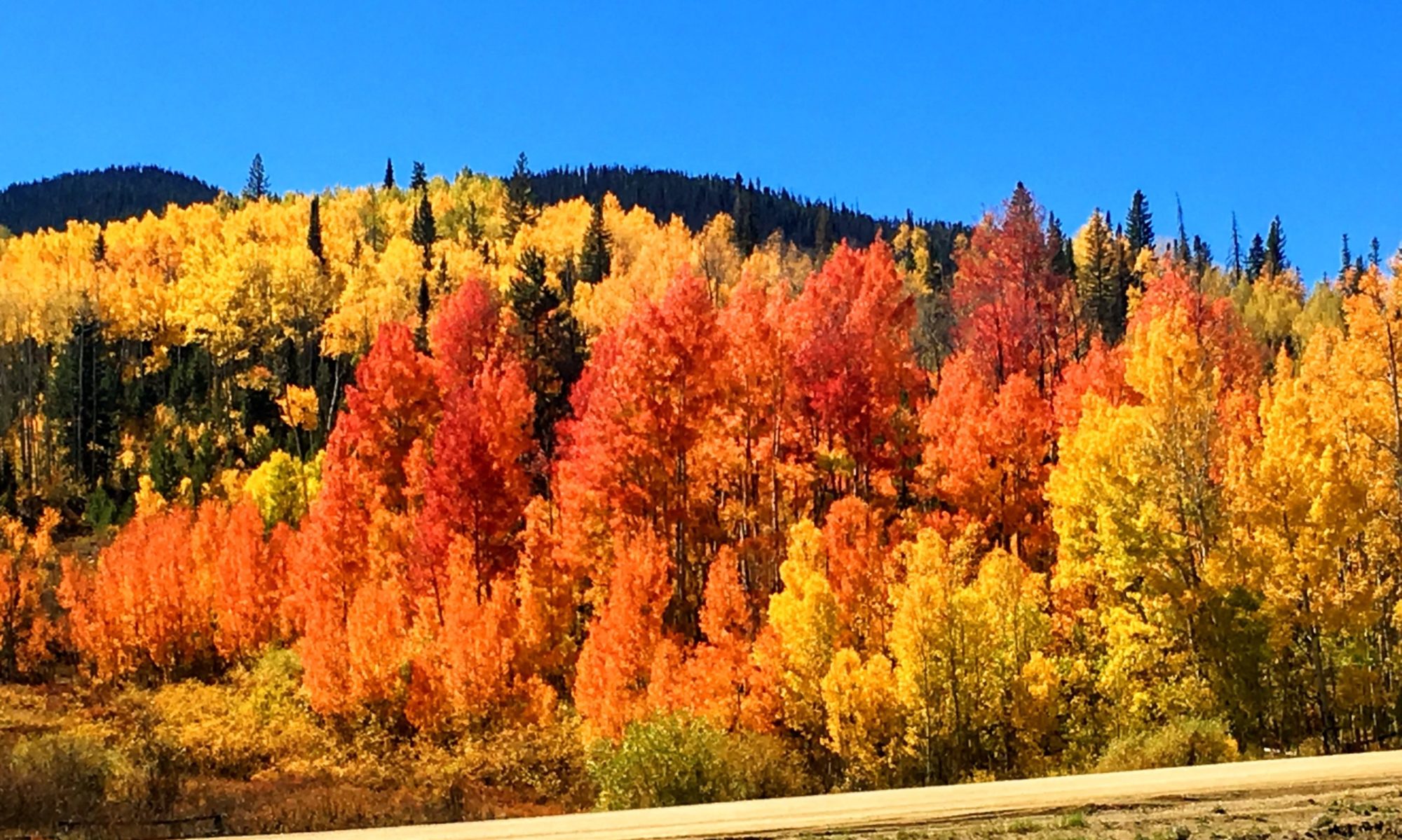
Aspen (Populus tremuloides) is a deciduous tree species that is widely distributed across North America, from Alaska to Mexico. It is a keystone species in many forest ecosystems, providing numerous ecological benefits for a variety of plant and animal species.

One of the most notable characteristics of aspen is its ability to reproduce both sexually and asexually. Aspens reproduce sexually through seed production, but they also reproduce asexually through root sprouts, which can form large clones of genetically identical trees. These clones, called “ramets,” can cover vast areas of land, creating unique forest landscapes.

Aspen forests provide critical habitat for a diverse array of wildlife species. Many bird species, such as the ruffed grouse and the American woodcock, rely on aspen for food and cover. Large mammals, such as elk and moose, also use aspen for food and shelter. In addition, aspen provides important habitat for many species of insects, including butterflies and moths.

Aspen forests also play a crucial role in the hydrological cycle. They help to maintain water quality by reducing erosion and sedimentation, and they also play a critical role in water storage. Aspen trees have deep root systems that help to hold soil in place, preventing erosion and sedimentation. They also help to recharge groundwater by absorbing and storing large amounts of water in their roots.

Furthermore, Aspen have a unique role in carbon cycling. They absorb and store large amounts of carbon in their biomass, roots, and soil. This helps to mitigate the impacts of climate change by removing carbon from the atmosphere.

Aspens are also an important economic resource for humans. The wood is used for a variety of purposes, including lumber, plywood, and paper. Additionally, aspen bark is used in traditional medicine by indigenous peoples.

In conclusion, aspen is a crucial species in North American forests, providing a wide range of ecological, hydrological and economic benefits. It is important to conserve and protect aspen forests in order to ensure the continued health and sustainability of these unique ecosystems.

Aspen: Where Nature Meets Luxury

Aspen, Colorado is a destination that seamlessly blends natural beauty with luxury amenities. Nestled in the Rocky Mountains, this picturesque town is known for its world-class skiing, hiking, and outdoor adventures. But Aspen also offers a unique side that combines the outdoors with a touch of indulgence.

One of the most exciting ways to experience Aspen is through a luxury camping trip, also known as glamping. Glamping offers the opportunity to immerse yourself in nature while enjoying the comforts of a high-end hotel. Imagine waking up in a luxurious tent, complete with a plush bed and en-suite bathroom, surrounded by the stunning beauty of the Aspen wilderness. It’s the perfect way to reconnect with nature while indulging in a little luxury.

Another way to experience Aspen’s unique blend of nature and luxury is through its world-class dining scene. Aspen is home to some of the best restaurants in the world, offering a variety of cuisines, from classic American to contemporary Japanese. But what sets Aspen apart is its farm-to-table movement, where local chefs source their ingredients from the surrounding mountains and valleys. Imagine savoring a delicious meal made with fresh, locally-sourced ingredients while taking in the breathtaking views of the Rockies.

Aspen is a destination that truly has it all. From its natural beauty to its luxury amenities, it’s a place where you can indulge in the great outdoors while enjoying a touch of luxury. Whether it’s glamping in the wilderness or dining on locally-sourced cuisine, Aspen offers an unforgettable experience that combines the best of both worlds.

Hunter S. Thompson: The Gonzo Journalist and Counterculture Icon

Hunter S. Thompson, known as the “Gonzo journalist,” was a legendary figure in American literature and counterculture. Born in Louisville, Kentucky in 1937, Thompson’s career spanned several decades and his writing continues to be widely read and celebrated today.

Thompson’s most famous work is the 1971 book “Fear and Loathing in Las Vegas,” which is considered a classic of gonzo journalism. The book, which is a mix of fact and fiction, chronicles Thompson’s drug- and alcohol-fueled journey to Las Vegas with attorney and friend Oscar Zeta Acosta. The book is a satirical and often bizarre look at American culture and the failure of the 1960s counterculture movement.

Drugs and alcohol were a constant presence in Thompson’s life and writing. He was open about his use of drugs such as LSD and cocaine and his excessive drinking, and these substances often played a central role in his work. Despite this, Thompson’s writing was never glorifying drug use, but rather a reflection of the counterculture movement and the disillusionment that many felt during the time.

Thompson was also known for his friendships with celebrities, particularly actor Johnny Depp, who played Thompson in the 1998 film adaptation of “Fear and Loathing in Las Vegas.” The two men became close friends and Depp even purchased the rights to several of Thompson’s works and helped to finance the writer’s funeral.

In addition to his writing and drug use, Thompson was also known for his love of guns and his involvement in politics. He ran for sheriff of Pitkin County, Colorado (which includes the city of Aspen) in 1970 on the “Freak Power” ticket, and although he lost the race, his campaign helped to bring attention to issues such as environmentalism and civil rights.

In the end of his life, Thompson lived in a fortified compound outside of Aspen, where he continued to write and entertain friends and celebrities until his suicide in 2005.

Hunter S. Thompson’s work and life continue to be an important part of American culture and literature. His unique style of gonzo journalism, his drug use and his political activism, and his friendships with celebrities make him a cultural icon of the 1960s and 1970s. Thompson’s legacy lives on through his writing and his tremendous impact on the culture of Aspen, Colorado.

References:

  • “Fear and Loathing in Las Vegas” by Hunter S. Thompson (1971)
  • “Hunter S. Thompson: The Gonzo Life and Work” by William McKeen (1992)
  • “The Proud Highway: Saga of a Desperate Southern Gentleman” by Hunter S. Thompson (1997)
  • “Hunter: The Strange and Savage Life of Hunter S. Thompson” by E. Jean Carroll (1993)